
Law

Knowledge about antiquities significantly contributes to contemporary identity politics, as the heritage industry impressively demonstrates. Stories and narratives about American Antiquities and their artifacts, we are convinced, are highly relevant for individual and collective understandings of the legal relations between indigenous and non-native groups. Oral traditions have played significant roles in trials about access to – or protection of – land in recent years. This section discusses a few of these examples.
Sue: Fighting over Bones and Land

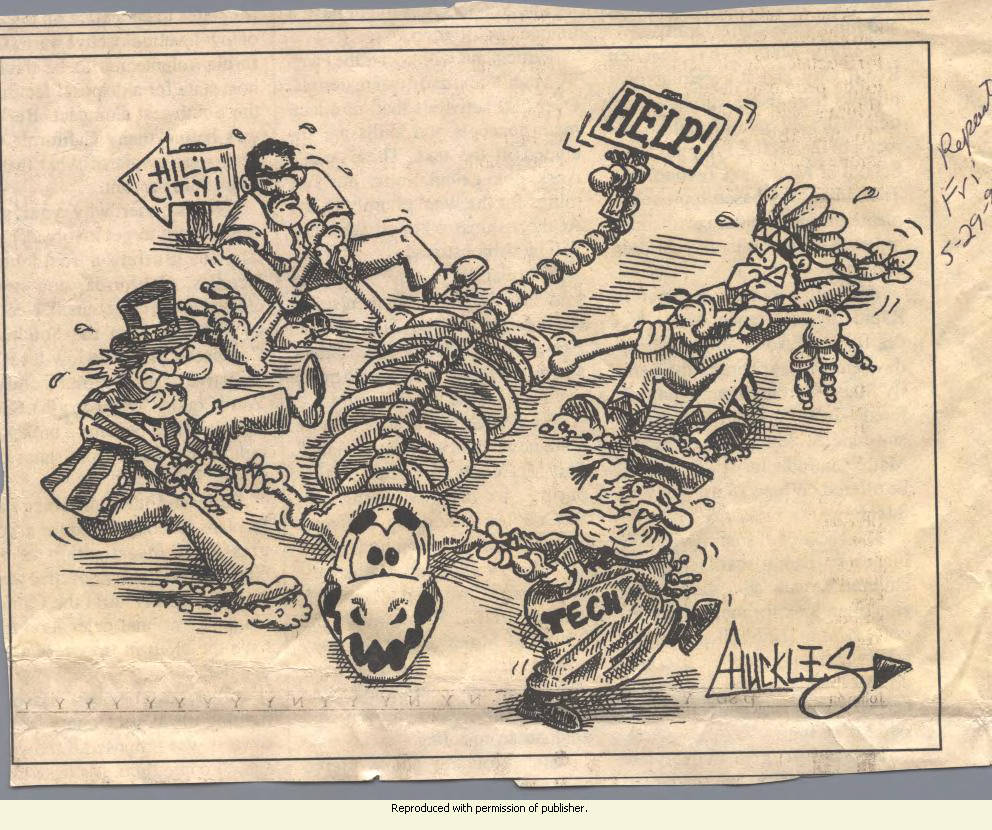
Sue: Fighting over Bones and Land

In 1990, Susan “Sue” Hendrickson, a worker of the Black Hills Institute, discovered a fossil in the Cheyenne River Indian Reservation in western South Dakota. The bones were found on the land of Maurice Williams, a member of the local Sioux Tribe. The Black Hills Institute, led by Peter Larson, paid 5,000 US dollars for the fossil to Maurice Williams and excavated a Tyrannosaurus rex that became known under the name of its discoverer, “Sue.” Read more...

The Antiquities Act of 1906

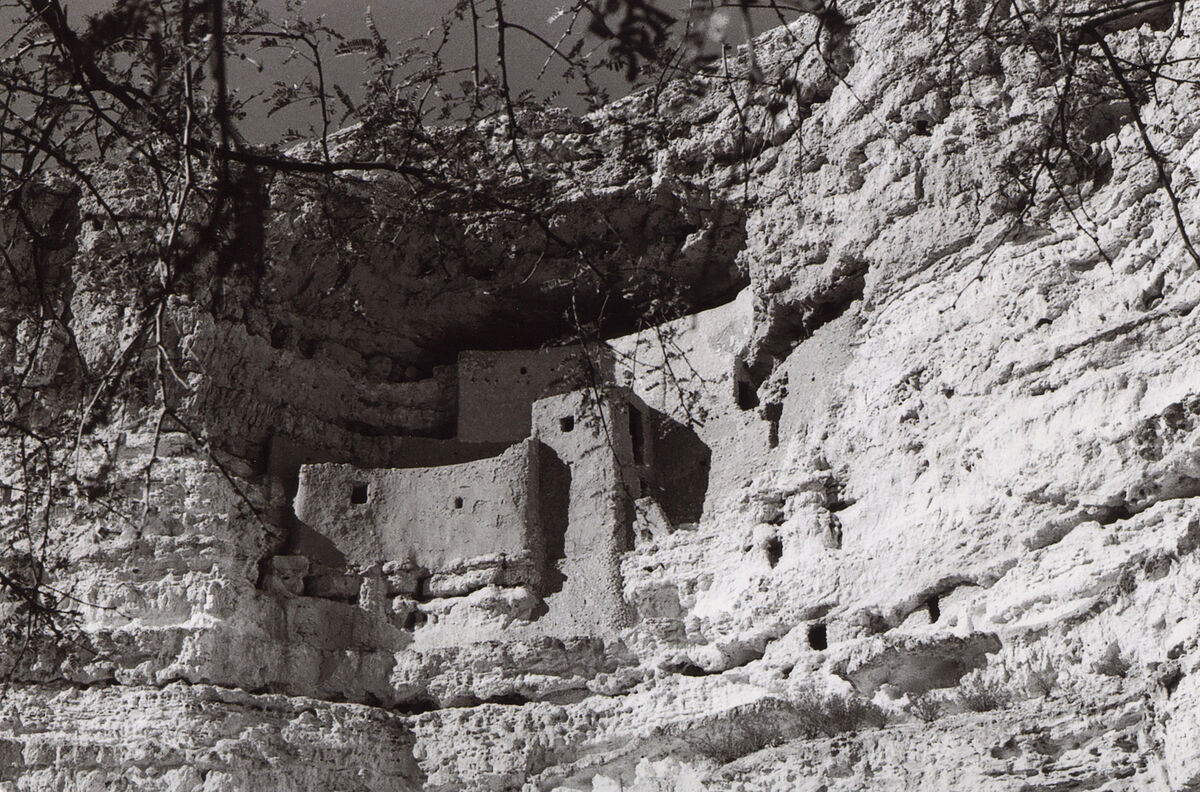
The Antiquities Act of 1906

The beginning of the 20th century witnessed increased lobbying efforts by Edgar L. Hewett, an anthropologist and archaeologist, for the establishment of protected areas against the robbery of antique potteries on government land. In 1906, the Congress reacted by passing the Antiquities Act. Read more...