Stories

Here you will find representative stories about the cultural uses of antiquities in America – from oral traditions to modern literary and scientific texts. Individual stories reflect the larger, often implicit, narratives that inform conceptions of American Antiquities – from ice age migrations to lyrical, ecocritical evocations of the distant American past.

A Settler Colonial View on the “Bone Wars”

A Settler Colonial View on the “Bone Wars”

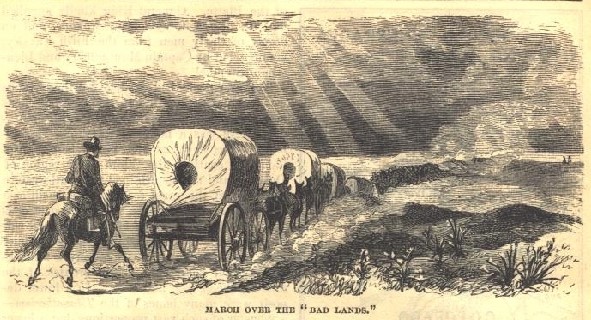
Edward Cope vs. Othniel Marsh. That is the easy but very persuasive abbreviation mostly used in explaining the complex and diverse phenomenon of the so called “bone wars.” The (sometimes unfair) competition between two scientists over the fossils excavated in the late 19th century in the American West became legendary and inspired the imagination of the American public by telling about the new profession of digging for a mostly unknown world filled with huge and mysterious creatures: dinosaurs and prehistoric animals. Read more...

Pleistocene Overkill: What Happened to the American Ice Age Megafauna?

Pleistocene Overkill: What Happened to the American Ice Age Megafauna?

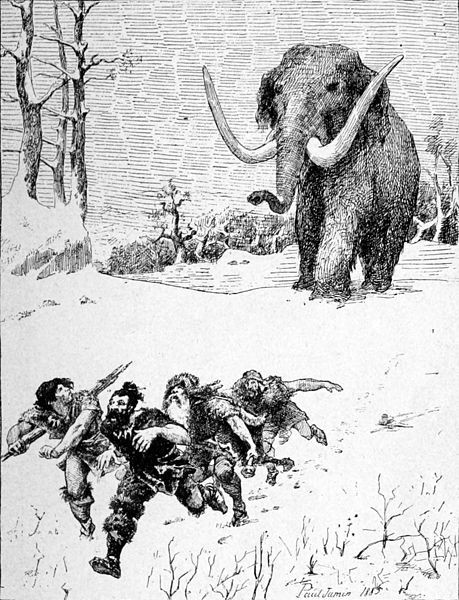
At the end of the Pleistocene, roughly 11,700 years ago, climatic change coincided with the extinction of North America’s megafauna - large animals such as mastodons, saber-toothed tigers, and woolly mammoths. Historically, these events apparently coincided with the arrival of the first human beings in North America. The presumed contemporaneity inspired archaeologist Paul Martin and others in the late 1960s to propose that the Clovis people led a ‘blitzkrieg’ on North America’s megafauna. Read more...

The Solutrean Hypothesis. Did Ice Age Europeans Discover America?

The Solutrean Hypothesis. Did Ice Age Europeans Discover America?

America was not ‘discovered’ by Europeans. Columbus set foot on American soil in 1492, Vikings have even reached the coast of Newfoundland in the tenth century. Yet the scientific community widely agrees that the first humans to reach the American continent came from northeast Asia crossing the former Bering land bridge and then migrating over land and along the coast. But what if Europeans even reached America during or shortly after the Ice Age? How would this change our narrative about the discovery of the Americas and the discourse about original rights in the Western hemisphere? Read more ...

Popular origins of the Chachapoyas: Colonialism and Globalisation

Popular origins of the Chachapoyas: Colonialism and Globalisation

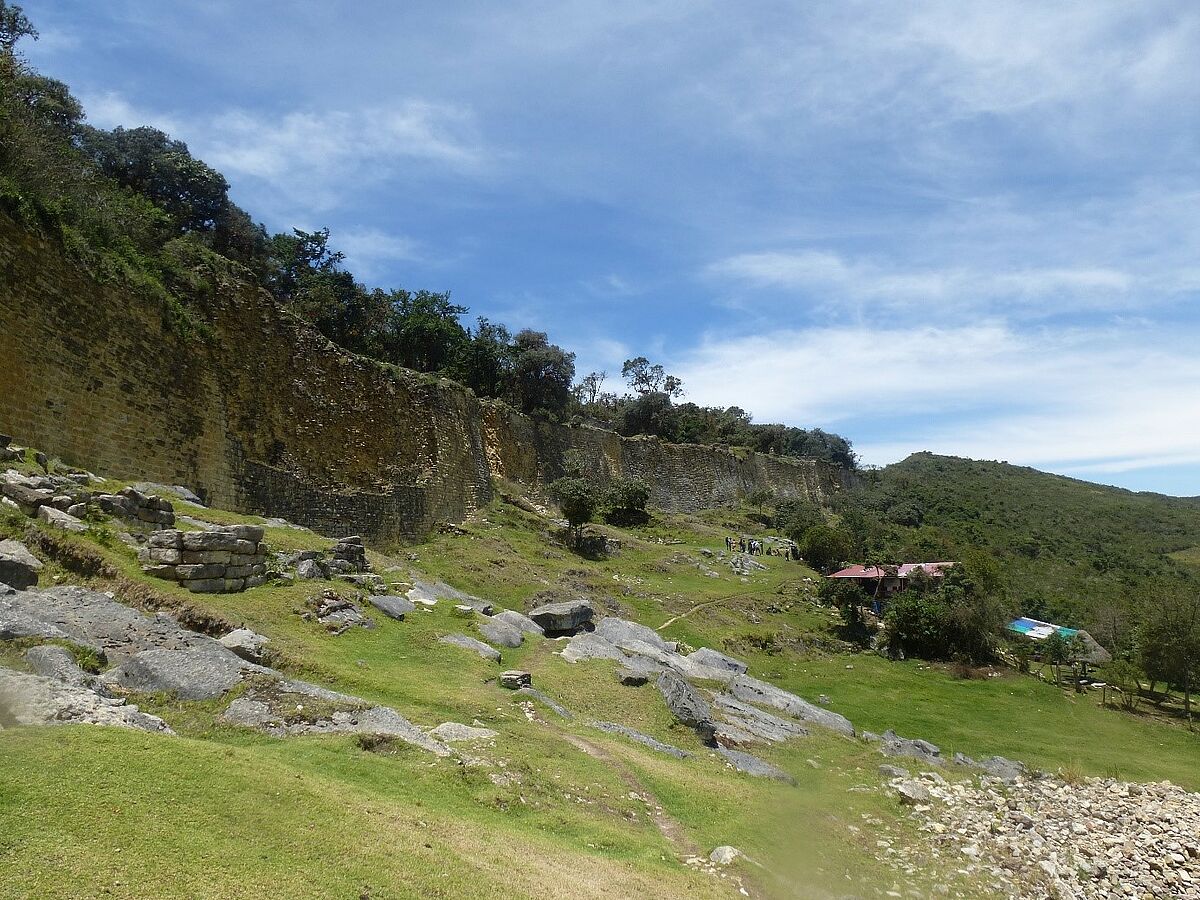
In 2013, Hans Giffhorn published a book, Wurde Amerika in der Antike entdeckt?, succeeded by a TV documentary about the same topic. In both, he argues that the Chachapoyas culture in central South America originated from Carthaginians and Celts who had migrated across the Atlantic and up the Amazon River in order to become the ancestors of the Andean High Culture. This speculative hypothesis appeals to a western public audience because it creates an image of American Antiquity that works in sync with two important aspects of contemporary everyday experience: Globalisation and colonialism. Read more...