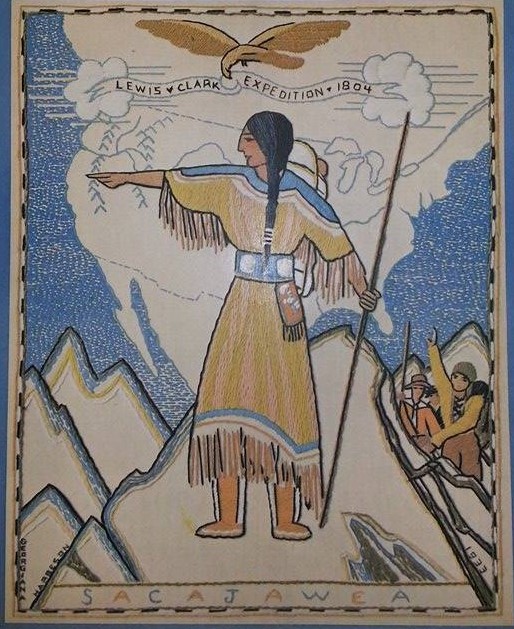
Welcome

For a further explanation of the illustration please click on the picture.

to the website “Constructions of American Antiquities”!

This website seeks to provide initial information about the ‘invention’ and continuing construction of American ‘prehistory’ for readers interested in both the scientific and the entertaining aspects of how people inside and outside the academic system imagine the American distant past under the conditions of colonial and neocolonial knowledge production. Our aim is to contribute to discussions about the coloniality of scientific knowledge that exists about America’s distant past, the agents of the production of that knowledge, and, perhaps most importantly, the significance of this knowledge in contemporary ideological and legal battles between colonial nations and indigenous inhabitants over the control of territories in the United States and Canada.

Our research project is inspired by at least three tendencies we observe:

1. The recent entry of indigenous scholars into the academic debate about the production of knowledge: This development forces scholarship and society at large to rethink the entanglements between knowledge production and colonialism.

2. The growing significance of knowledge about the pre-Columbian and distant past for legal decisions about the protection and stewardship of land, especially in the view of an increasing colonial desire for exploiting the last natural resources of the globe.

3. A general interest in ‘prehistorical’ events and the antiquity of human culture, both in the Americas and globally. This is due to new technologies for digging and dating but perhaps also triggered by discussions about the Anthropocene and the human impact on dramatic climate changes in the near future. The fascination with antiquity of mankind grows with the expectation of its impending demise.

read more on the project


Here you find three of our latest articles. For more articles please visit the subcategories "Places", "Agents", "Theories", "Stories", "Artifacts" and "Law".

Vine Deloria, Jr.

Vine Deloria, Jr.

At a time when American Indian tribes were facing termination, assimilation, and legal discrimination, Vine Deloria, Jr. was one of the most important voices to defend their traditional rights and beliefs in the public sphere. Read more...

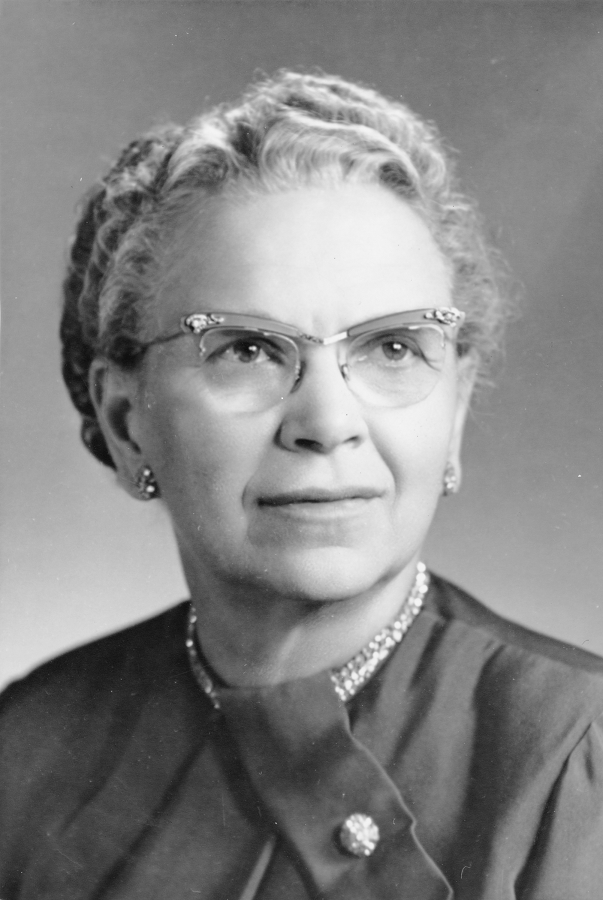
Ella E. Clark

Ella E. Clark

Fascinated with Native American culture, as well as with the geologically active landscape that surrounded her in Washington State, the American teacher and English professor Ella Elizabeth Clark (1896-1984) collected large numbers of indigenous oral traditions and made them available to a large readership. read more...

'Tiere der Urwelt' Trilogy

'Tiere der Urwelt' Trilogy

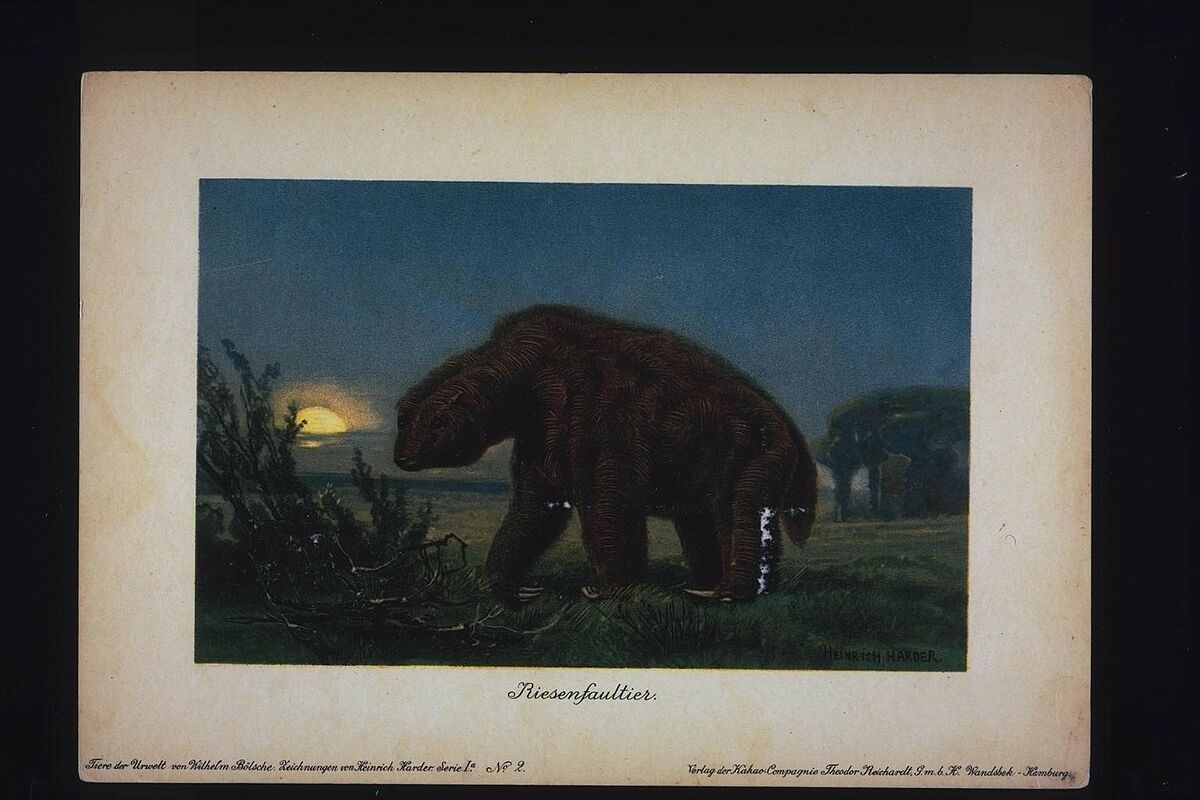
Trading cards were omnipresent in the popular culture of Germany before the First World War. Stollwerck, the leading producer of trading cards, alone distributed 200 million cards between 1896 and 1899. Trading cards usually combine visual representations on the front with textual content on the back and some sort of advertisement by the producer – mostly companies associated with colonial products. The trading card series Tiere der Urwelt ("animals of the primeval world") was produced by the Theodore Reichardt cacao company, painted by Heinrich Harder, and written by Wilhelm Bölsche. A selection of 30 ‘prehistoric’ animals were presented in their natural surroundings and explained in short texts. As such the series influenced not only the construction of an (American) antiquity in Germany at the beginning of the 20th century, but remained – until today – important for the depiction of ‘prehistoric’ times. Read more in... Part 1 - Tiere der Urwelt: Darwinism and Colonialism Part 2 - Tiere der Urwelt: Creating a ‘Prehistoric’ Landscape Part 3 - Tiere der Urwelt: Harder’s Illustrations, Wikipedia & the “Pleistocene Overkill”

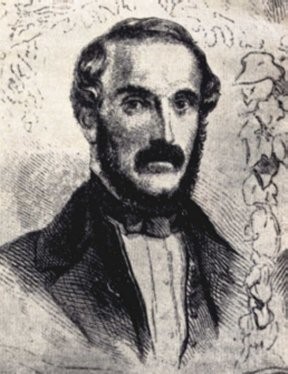
John Lloyd Stephens

John Lloyd Stephens

John Lloyd Stephens was a New York lawyer sent traveling by his physician to cure a throat infection. As a result, he became one of America’s most fascinating travel writers. While in London, he teamed up with the British painter Frederick Catherwood, and they subsequently traveled the states of Central America in the late 1830s and early 1840s in search of adventure and ancient Maya ruins. read more...

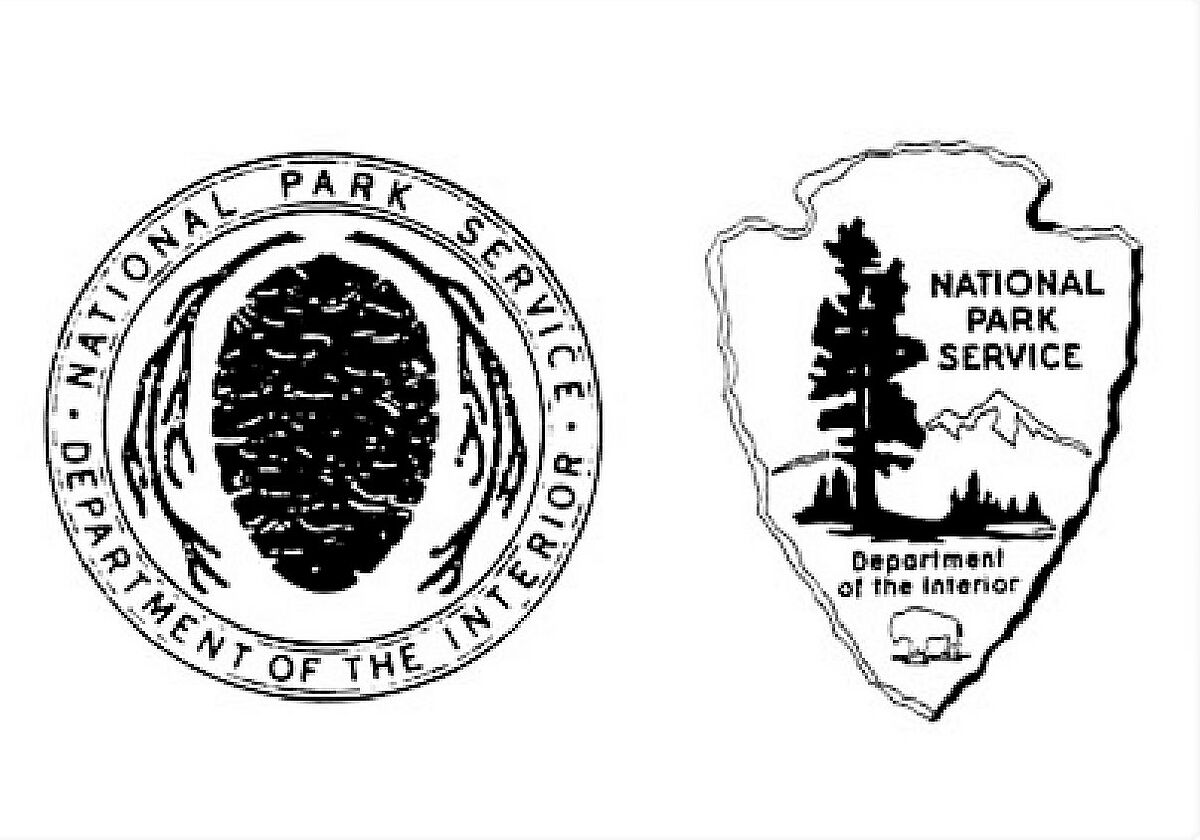
National Parks and American Antiquity

National Parks and American Antiquity

“The National Park Service invites you to discover American history in all its diversity, from ancient archeological places to the homes of poets and presidents (...). Our history is part of who we were, who we are, and who we will be.” The National Park Service (NPS) in the United States – from whose website this quotation was taken – will celebrate their centennial in August this year. Over the last 100 years, the institution created confined spaces for the experience of American history and thereby also provided an institutional background for the construction of an American antiquity. read more...