Agents

No knowledge circulates without human agents. This section comprises essays on illustrious personalities – ‘diggers’, scholars, adventurers, activists, and critics – who have made important contributions to our knowledge of American Antiquities. While some of them are well-remembered, others have more or less vanished from the historical record. The doings of individual human beings allows us glimpses of crucial epistemological and ideological conflicts of their times.
Vine Deloria, Jr.

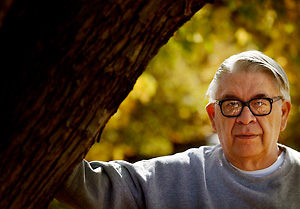
Vine Deloria, Jr.

At a time when American Indian tribes were facing termination, assimilation, and legal discrimination, Vine Deloria, Jr. was one of the most important voices to defend their traditional rights and beliefs in the public sphere. Read more...

Ella E. Clark

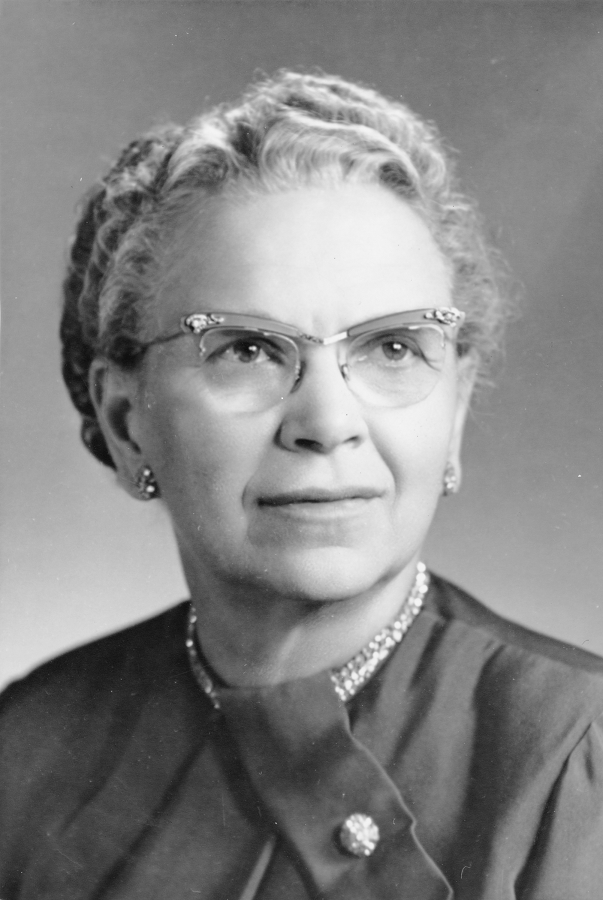
Ella E. Clark

Fascinated with Native American culture, as well as with the geologically active landscape that surrounded her in Washington State, the American teacher and English professor Ella Elizabeth Clark (1896-1984) collected large numbers of indigenous oral traditions and made them available to a large readership. Although not a professional anthropologist or folklorist, Ella Clark devoted her life to the study and dissemination of indigenous oral texts. Read more...

John Lloyd Stephens

John Lloyd Stephens

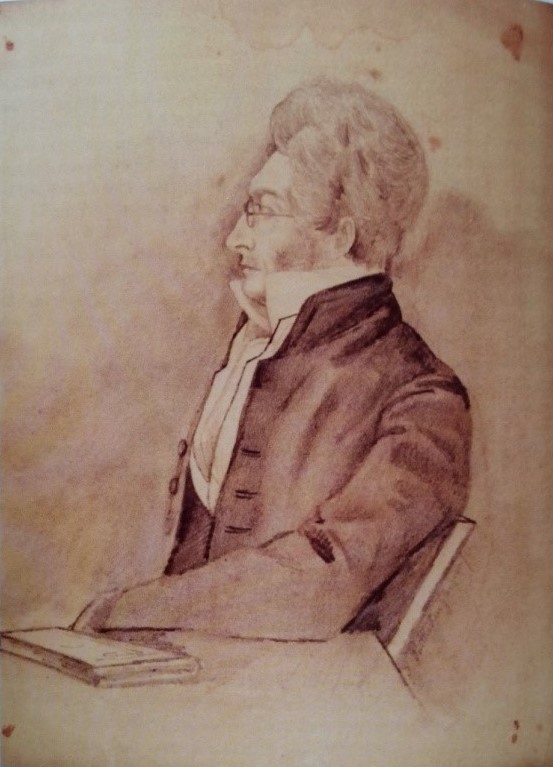
John Lloyd Stephens was a New York lawyer sent traveling by his physician to cure a throat infection. As a result, he became one of America’s most fascinating travel writers. While in London, he teamed up with the British painter Frederick Catherwood, and they subsequently traveled the states of Central America in the late 1830s and early 1840s in search of adventure and ancient Maya ruins. Read more...

Peter Wilhelm Lund

Peter Wilhelm Lund

The Danish scientist Peter Wilhelm Lund, a largely forgotten naturalist in colonial Brazil, discovered the petrified bones of human beings in a cave in Minas Gerais, mixed with the bones of extinct animals, in 1843. This led Lund to assume the extreme antiquity of the human presence in America – an antiquity that was hard to reconcile with the biblical narrative of Creation according to which the world was no older than 6000 years. Read more...

Albert C. Koch

Albert C. Koch

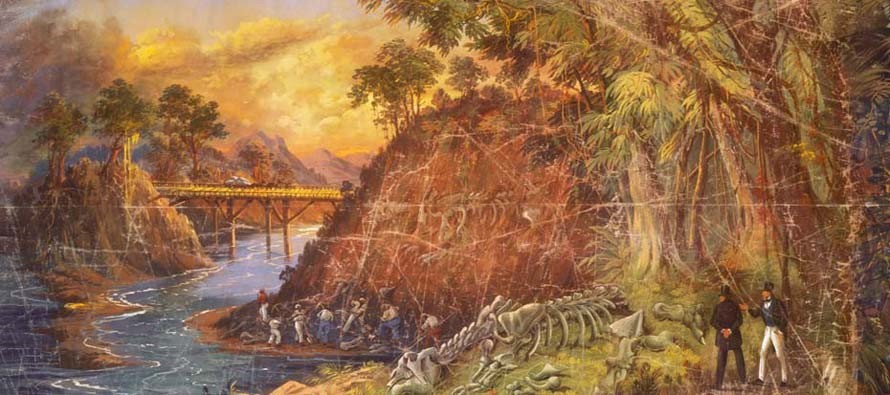
Albert C. Koch, a German immigrant from Saxony, ran a museum with American archaeological antiquities in St. Louis, the gateway to the West, in the 1830s and 1840s. The museum served to procure the money Koch needed for excavating fossil skeletons of extinct animals in North America. In 1840, Koch discovered the complete skeleton of a mastodon which he dubbed “missourium.” Read more...